
Professional Practice Course
This section features work from my Professional Practices course, highlighting key business skills for interior design. Included are a sample Letter of Agreement and a Fee Estimate, showcasing my ability to prepare professional documentation and manage project details with clarity and precision.
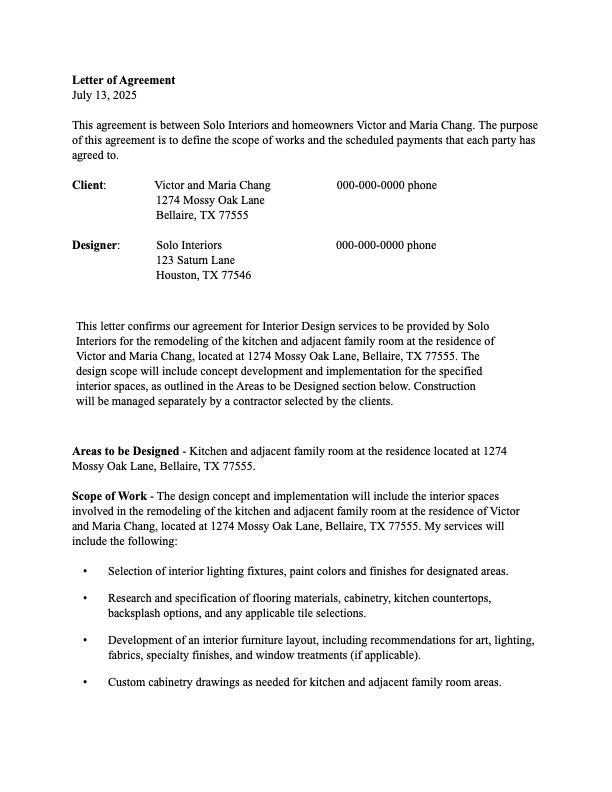
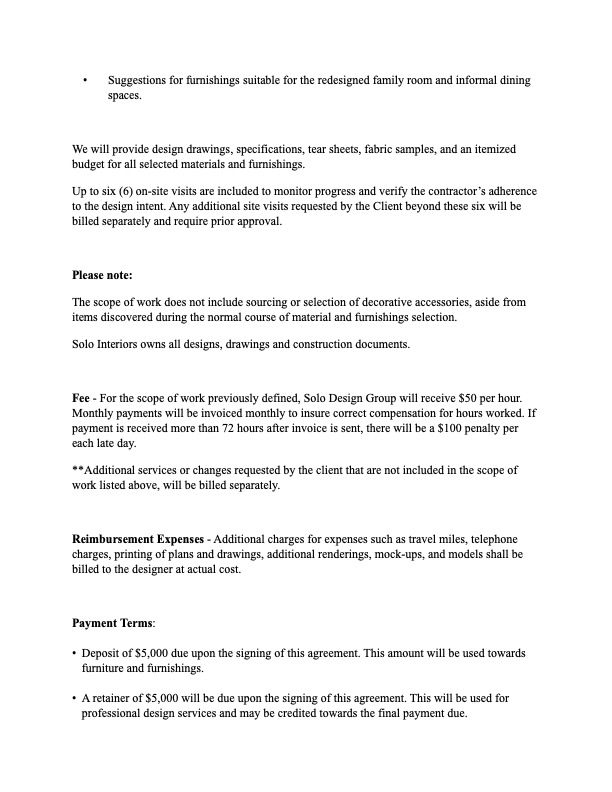
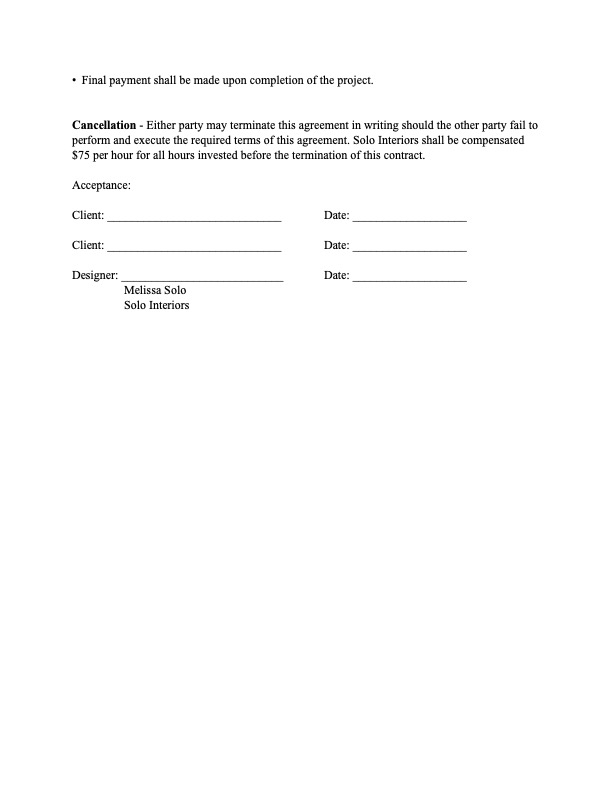
Letter of Agreement
This Letter of Agreement was developed as part of my Professional Practices coursework to demonstrate my understanding of real-world documentation used in interior design business operations. The contract outlines a professional working relationship between a designer and clients for a residential kitchen and family room remodel.
Fee Estimate
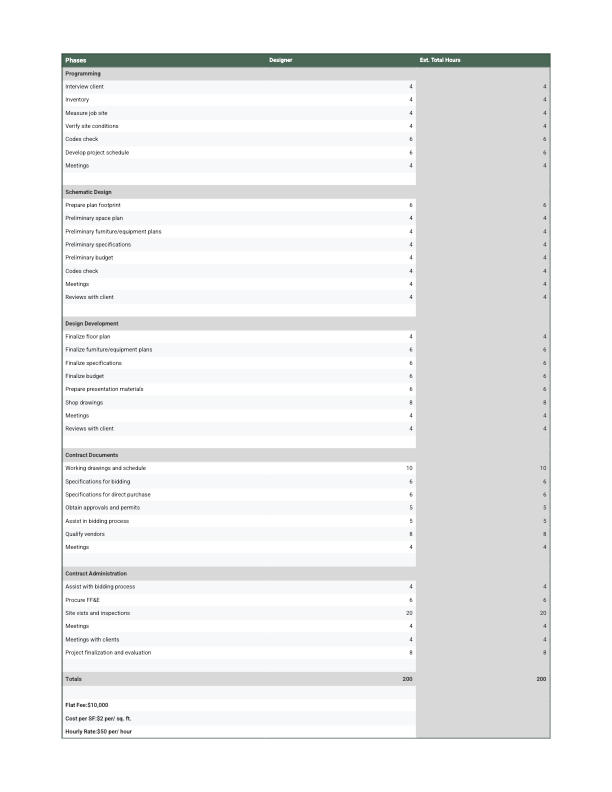
This Fee Estimate was created as part of my Professional Practices coursework to illustrate my understanding of project planning, time management, and client communication within the design process. The document outlines estimated hours and cost expectations for a full-scope interior design project.
Scheduling Example
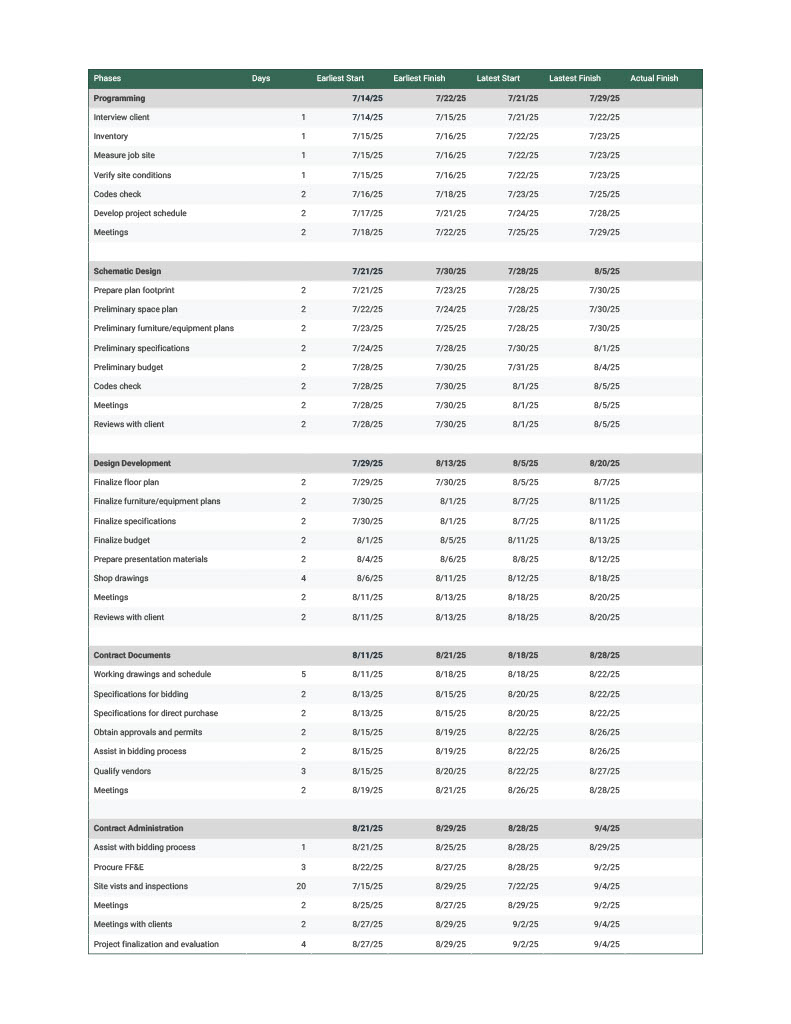
In this assignment, I created a detailed project schedule based on the scope and estimating work from the Fee Estimate above. Using Excel, I organized tasks by project phase, including duration in both days and weeks, and structured the timeline beginning with a start date of July 14th, 2025. This exercise helped me understand how to sequence design activities, allocate time effectively, and manage deadlines.
Business Formation
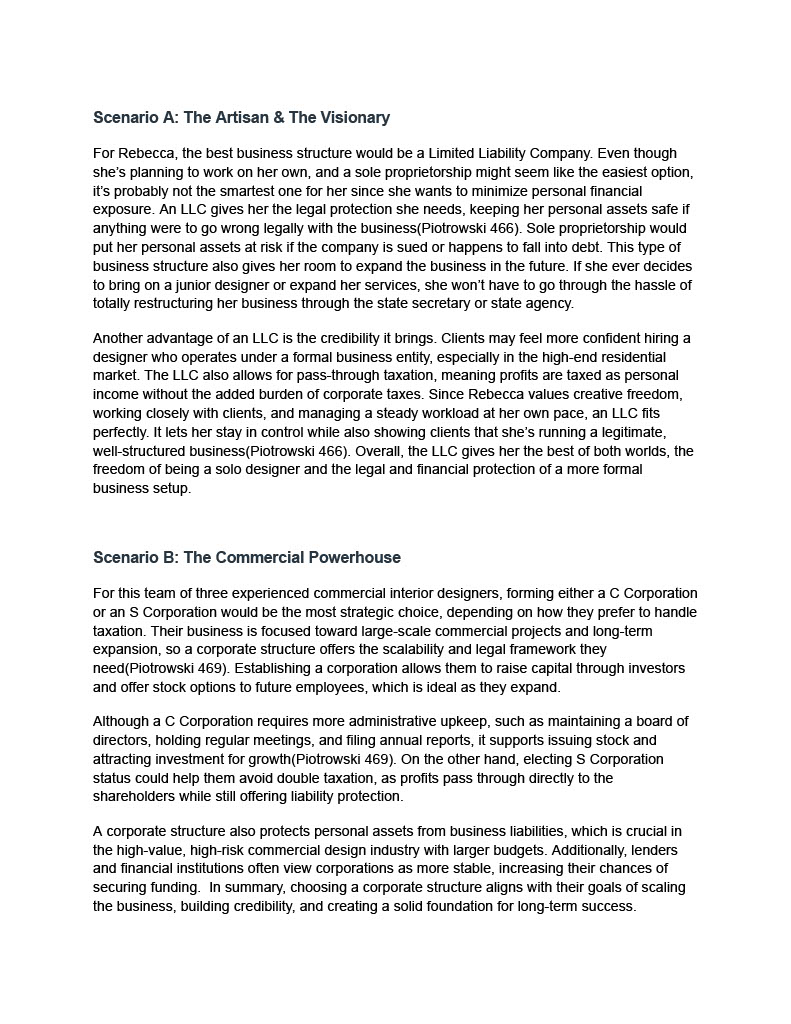
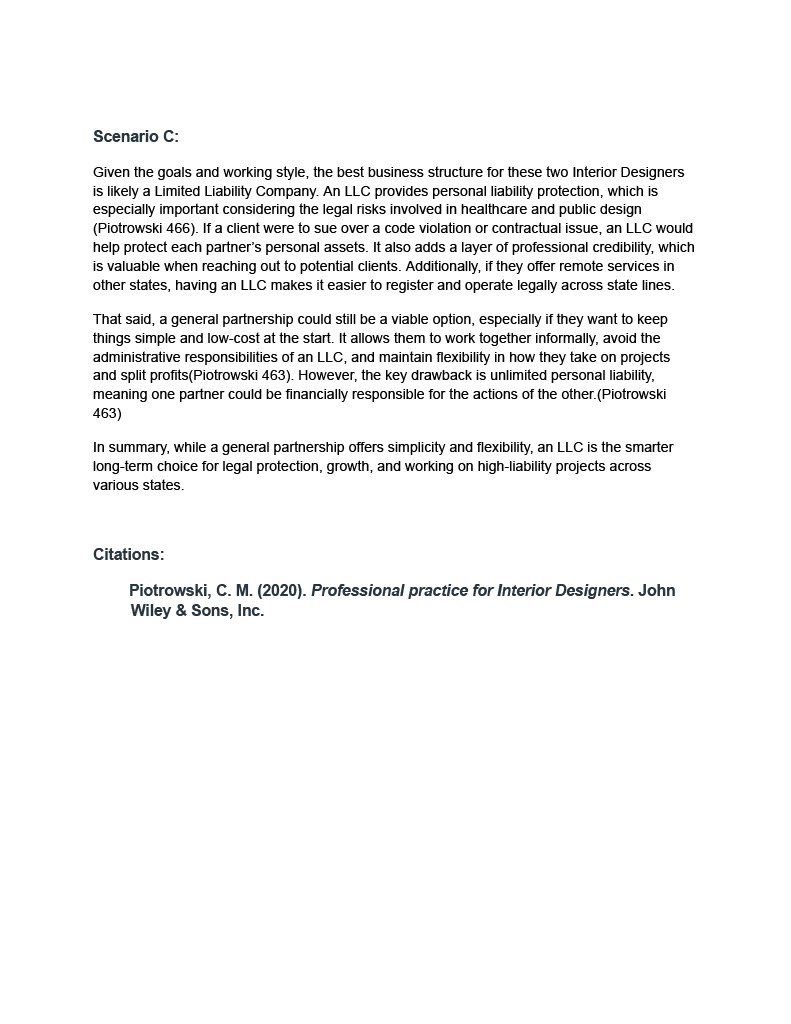
This assignment explores the most effective business formation types for three unique interior design scenarios.Through case-specific analysis, I evaluated the advantages and disadvantages of Limited Liability Companies, general partnerships, and corporate structures. Each recommendation is grounded in legal, financial, and professional considerations relevant to interior design practice. This project enhanced my understanding of how strategic business planning supports creative freedom, financial protection, and long-term success in a variety of design career paths.
Business Plan
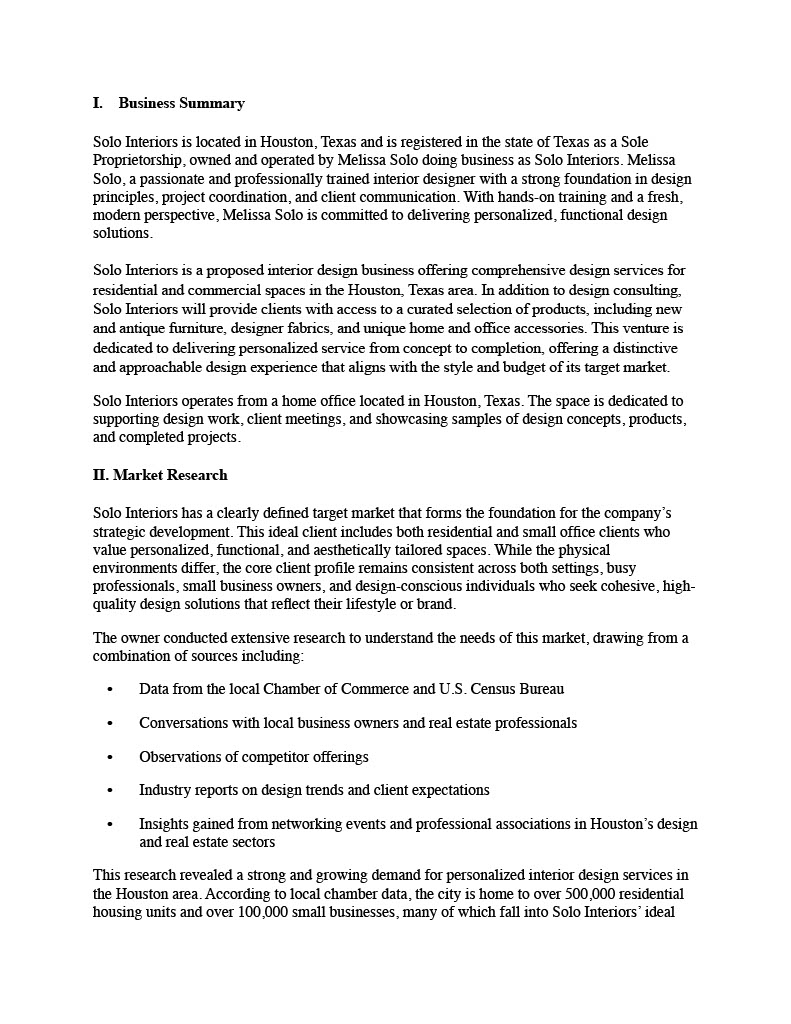
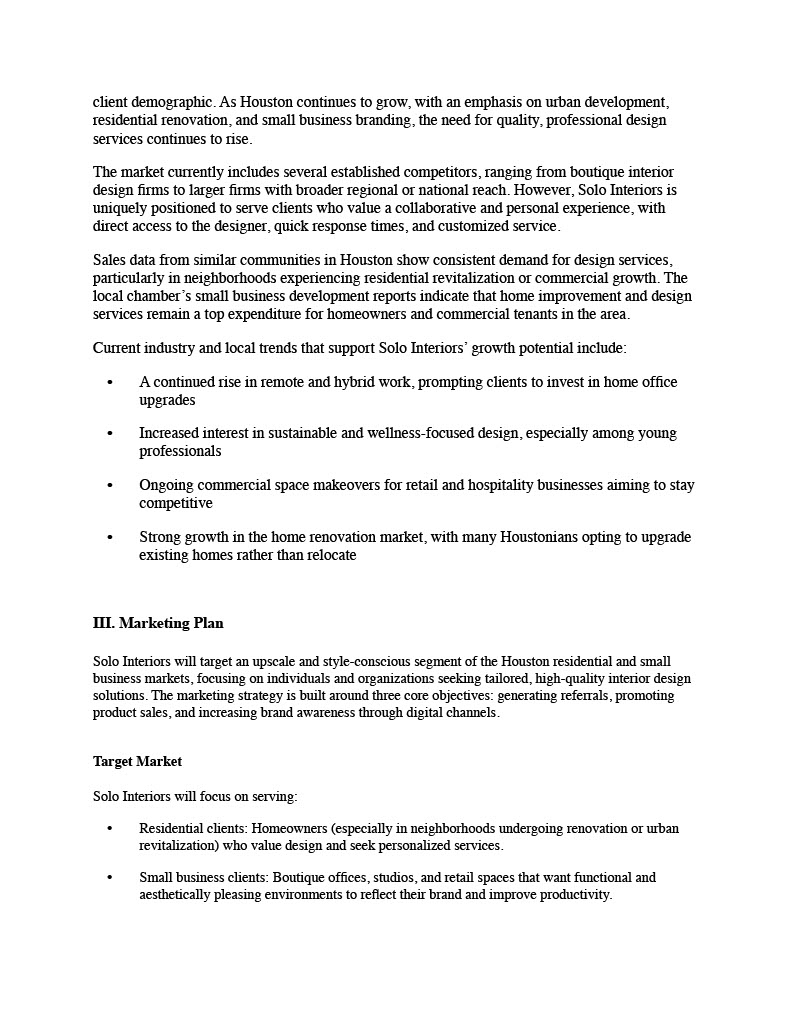
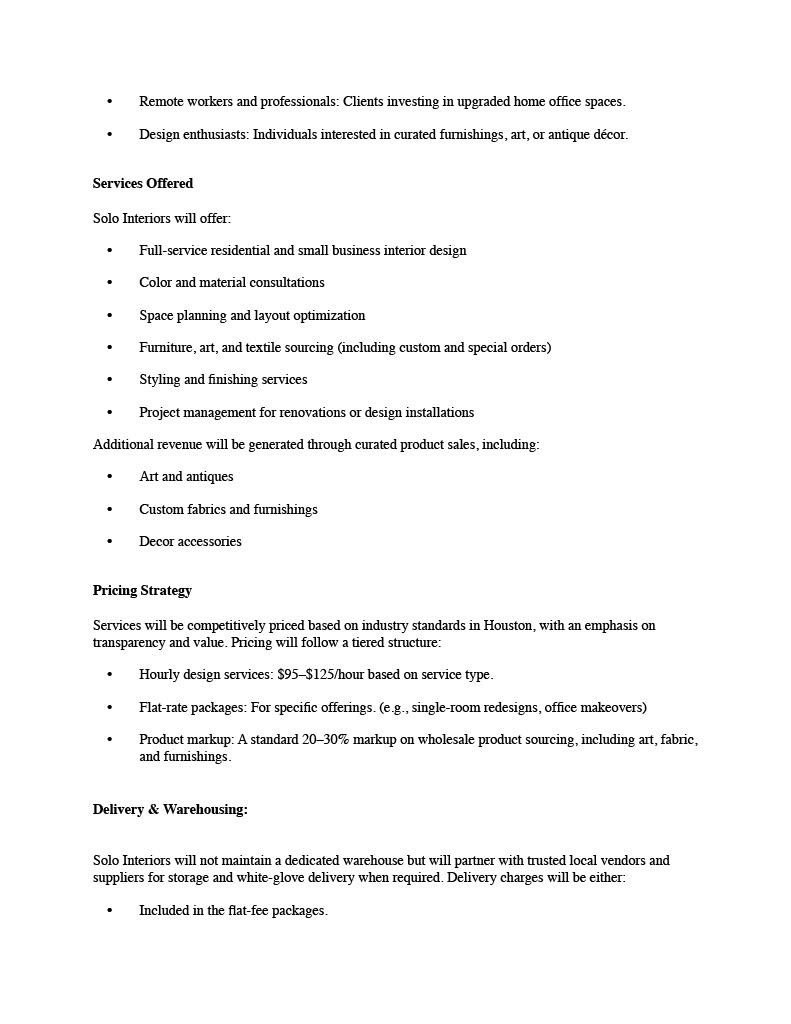
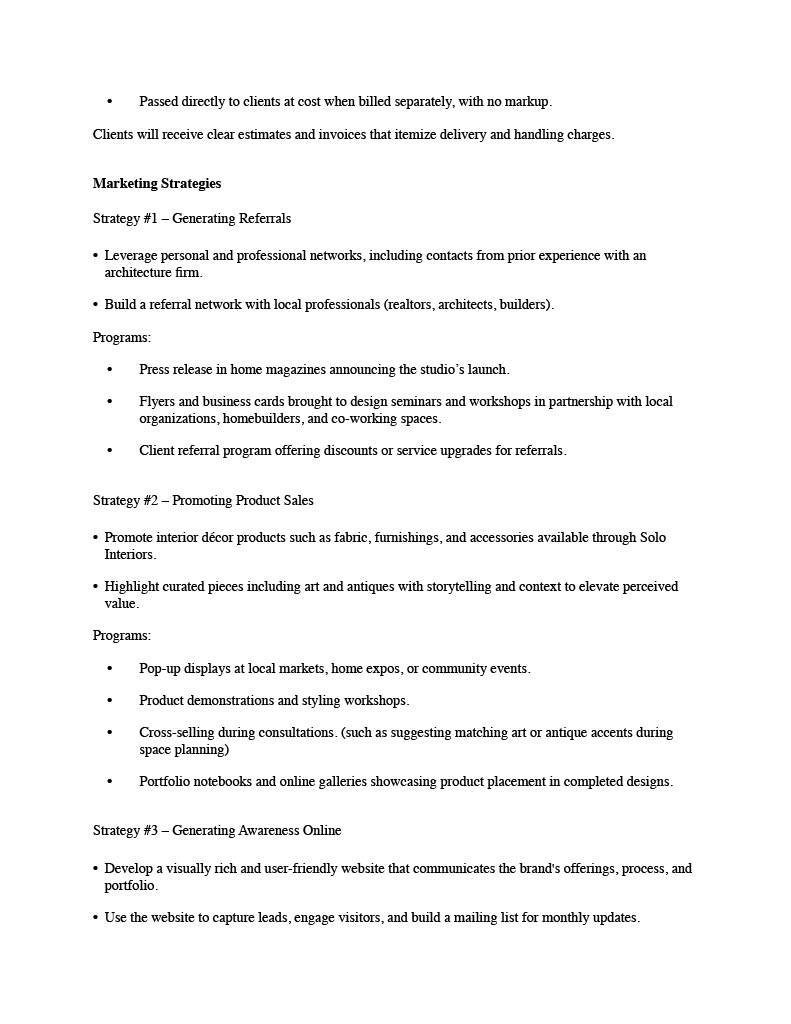
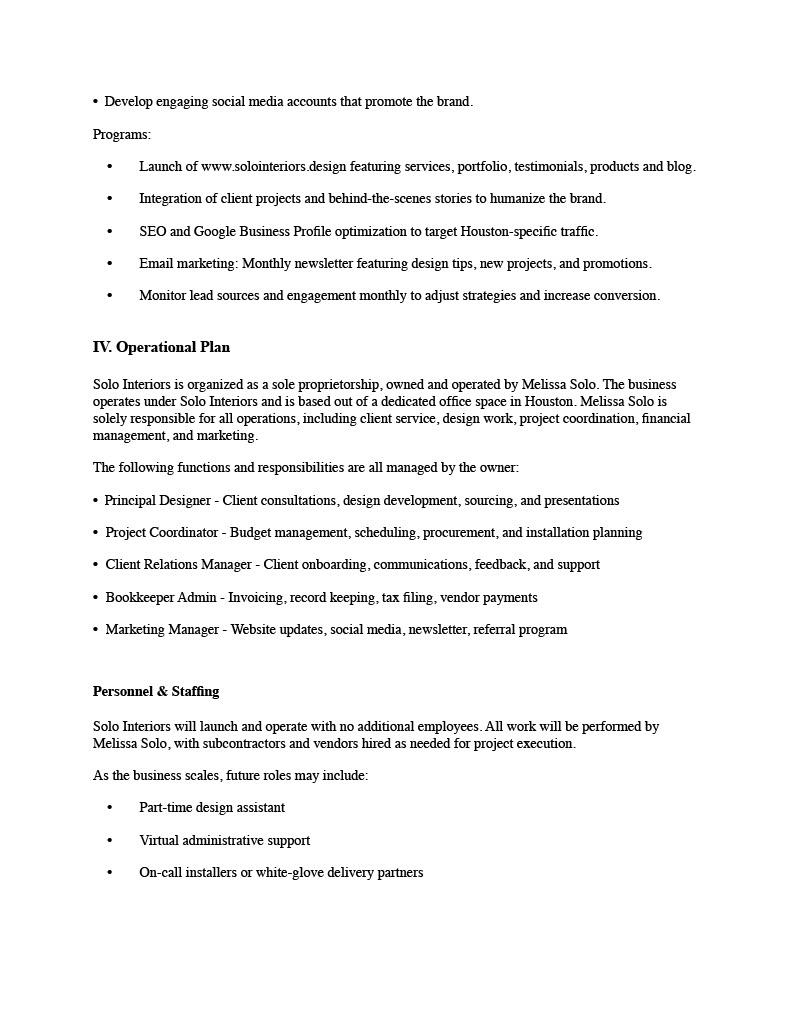
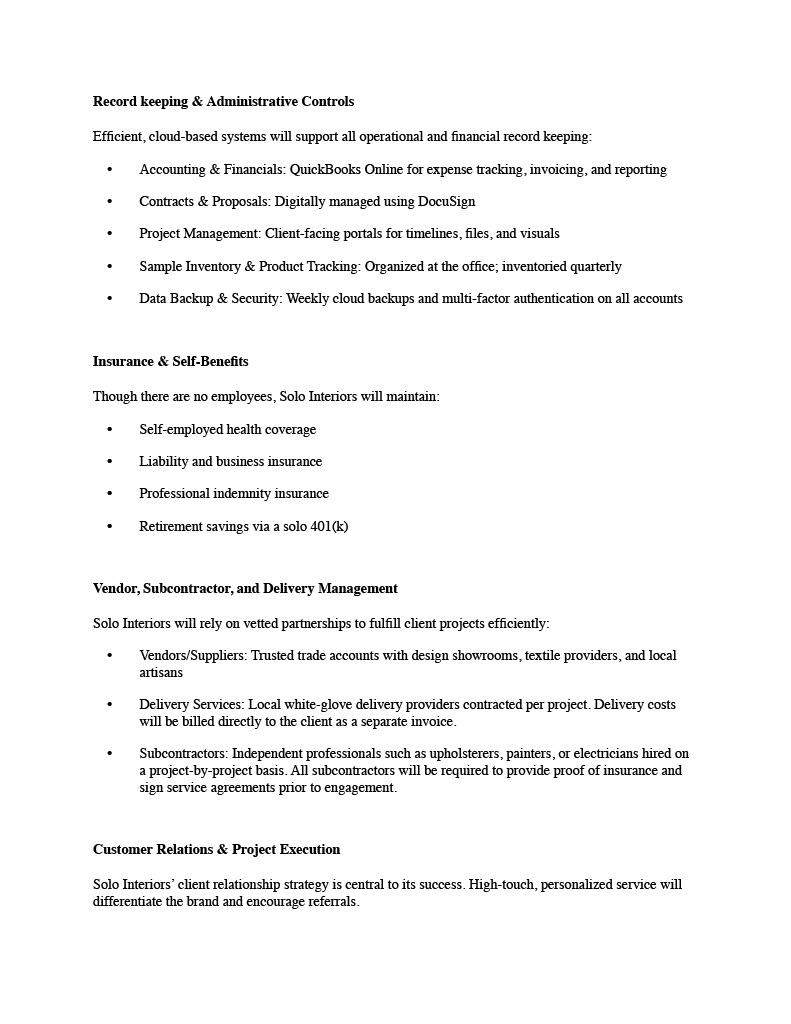
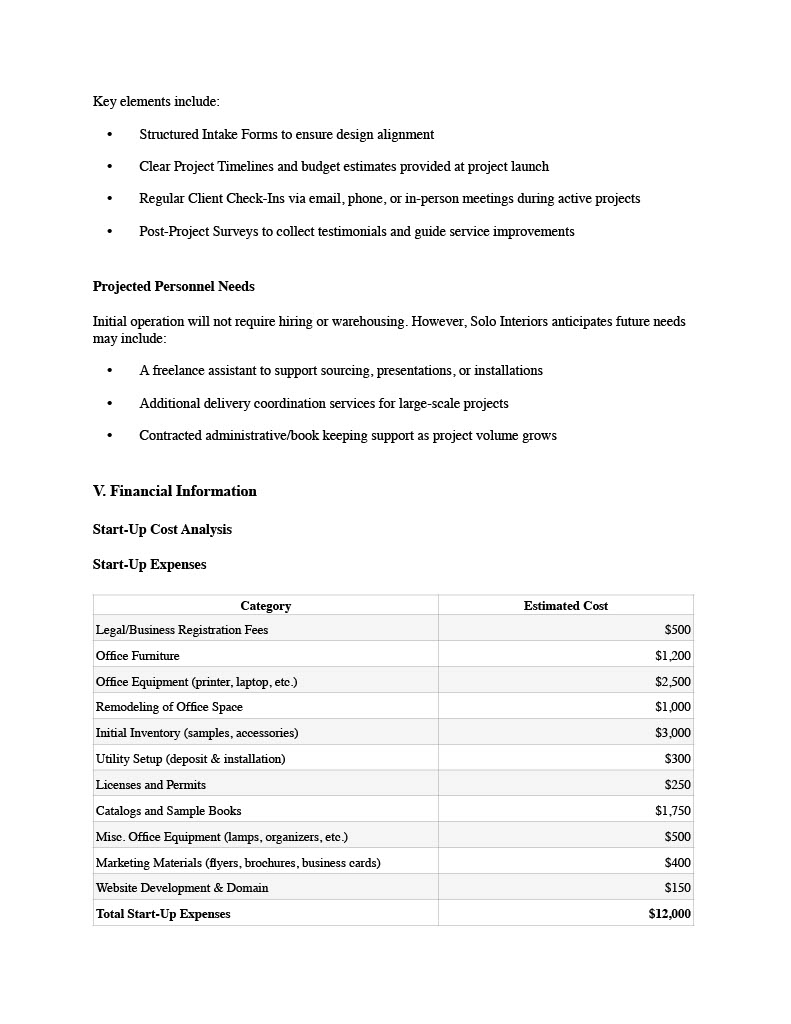
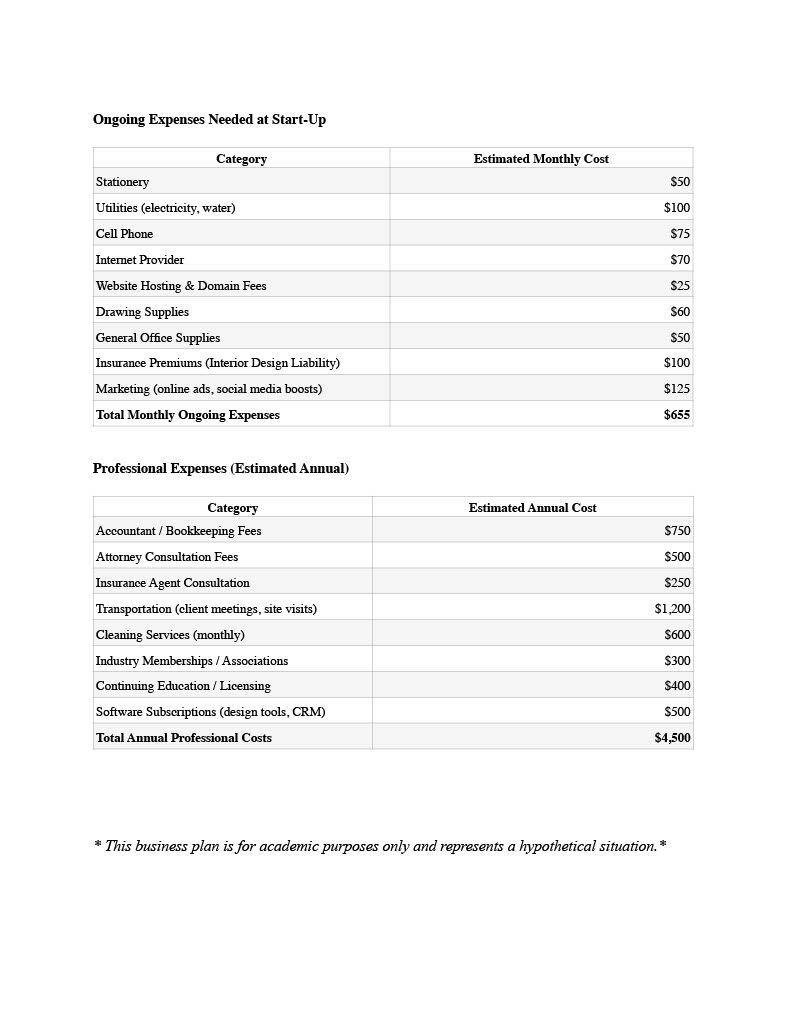
This project involved developing a comprehensive business plan for a fictional interior design company. The plan includes a business summary, market research, marketing strategy, operational logistics, and a detailed startup cost analysis using real-world pricing data. This assignment helped me connect design thinking with strategic business planning, emphasizing how clear goals, market positioning, and financial forecasting shape a successful design practice.

Course Reflection
This semester has been a valuable experience, both in class and while building my ePortfolio. I’ve truly enjoyed creating the ePortfolio. It’s been a great way to organize and showcase the work I’ve done, while also reflecting on how much I’ve learned.
One of the biggest takeaways from this class has been gaining a deeper understanding of how to run a future interior design business. From choosing the right business structure to writing a business plan and managing project timelines, I now feel more confident in the steps needed to launch and sustain a professional design practice. Practical projects helped bring the concepts to life and showed how they can be used in a professional setting.
Overall, this course has helped me grow not only as a designer but also as a future business owner by giving me the tools to think critically about the business side of interior design. I’ve learned how to plan strategically, make informed financial decisions, and approach my career with a clearer vision of what it takes to succeed both creatively and professionally.
 Melissa Solo